
Tried a Chicken Egg Incubator?
Have you ever tried hatching chicken eggs with an incubator? If you have, you probably remember the excitement of seeing those tiny beaks break through the shells. If not, let me tell you—there’s something magical about it. But before I discovered incubators, I tried the “DIY” way, and let me tell you, it was a mess.
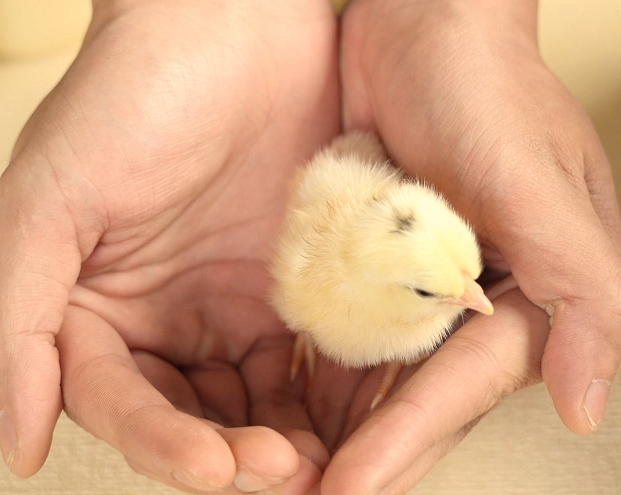
A few years back, I thought, “How hard can it be?” So I grabbed a foam box, some old towels, and a heat lamp. I read online that eggs need to stay warm, so I propped the lamp inside and crossed my fingers. Oh man, what a disaster. First, the temperature went all over the place. One hour it hit 90°F, the next it spiked to 105°F. As a result, I stayed up at 2 a.m. checking it with a thermometer, sweating bullets that I’d cook the eggs. Then there was the humidity—no matter how much water I poured in a little dish, it either got too dry or turned the towels into a soggy mess. And don’t even get me started on turning the eggs! I had to mark each one with an “X” and “O” to remember which side was up, then gently flip them three times a day. Half the time I forgot, and when I did remember, I feared dropping them. In the end, only 2 out of 12 eggs hatched—and those chicks were so weak they didn’t survive.
That’s pet supplies why using a good incubator changes the game. It takes all that stress away. No more late-night temperature checks, no soggy towels, no panic over forgetting to turn eggs. With an incubator, you set it up, and it does the hard work. You get to enjoy the fun part—watching those little chicks peck their way out. Plus, it’s a great way to get kids involved in learning about life cycles—watching chicks grow from eggs is way cooler than any textbook!
What Is a Chicken Egg Incubator?
Let’s start with the basics: A chicken egg incubator acts like a little nursery for eggs. Mother hens hatch eggs amazing—they sit on them to keep them warm, turn them gently, and maintain the right amount of moisture. However, an incubator does all that work for you. It’s a small, enclosed box (or sometimes a larger unit) that keeps the temperature steady, controls humidity, and often helps turn the eggs. All of this creates the perfect environment for the baby chicks to grow inside their shells, so they can hatch healthy and strong.
Why Use an Incubator?
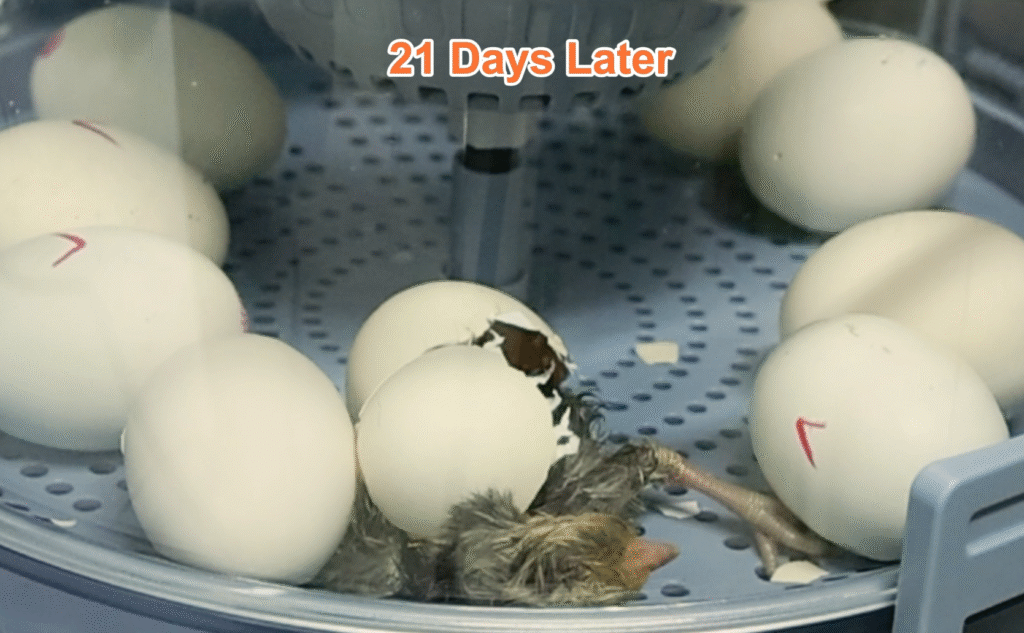
Let’s start with the basics: A chicken egg incubator acts like a little nursery for eggs. Mother hens hatch eggs amazing—they sit on them to keep them warm, turn them gently, and maintain the right amount of moisture. However, an incubator does all that work for you. It’s a small, enclosed box (or sometimes a larger unit) that keeps the temperature steady, controls humidity, and often helps turn the eggs. All of this creates the perfect environment for the baby chicks to grow inside their shells, so they can hatch healthy and strong.
Why Use an Incubator, Anyway?
You might be thinking, “Why not just let a hen do it?” Well, hens are great, but they have their limits. For one, not all hens want to sit on eggs (we call these “broody” hens). If you don’t have a broody hen, an incubator gives you your best bet. Also, hens can only sit on so many eggs at once—usually 10 to 15. If you want to hatch more, an incubator can handle it.
Another big reason: control. Incubators let you set the exact temperature and humidity, which matters a lot for healthy chicks. Hens might get up to eat or drink, letting the eggs cool down. In contrast, an incubator keeps the temperature just right. This means more eggs hatch successfully, and the chicks grow stronger.
Whether you’re raising chickens for eggs, fun, or teaching your kids about nature, an incubator makes hatching easier and more reliable.
How to Pick the Right Incubator?

Not all incubators are the same. Here are the key things to think about when choosing one:
- Capacity: How many eggs do you want to hatch? If you’re just starting, a small incubator that holds 10–20 eggs is perfect. If you plan to hatch more (maybe you have a big backyard flock), go for one that can hold 30 or more. The 2025 BEST model comes in sizes for both—so you can pick what fits your needs.
- Temperature & Humidity Control: This is the most important part! Eggs need a steady temperature (around 99.5°F) and humidity (between 40–50% for most of the hatching time, then a bit higher at the end). Look for an incubator with easy controls—digital displays are best because you can see the numbers clearly. Avoid ones that are hard to adjust—you don’t want to stress about keeping the temperature right.
- Ease of Cleaning: After hatching, there will be mess—egg shells, maybe a little dirt. You’ll want an incubator that’s easy to take apart and clean. Removable trays or parts that can be washed with soap and water are a must. No one wants to spend hours scrubbing tiny corners!
- Smart Features (But Keep It Simple): Some incubators have “smart” features, like alarms that beep if the temperature gets too high or low. That’s helpful—you won’t have to check it every 5 minutes. But you don’t need anything too fancy. The best ones keep it simple, so even if you’re new to hatching, you won’t get confused.
The 2025 BEST Egg Incubator
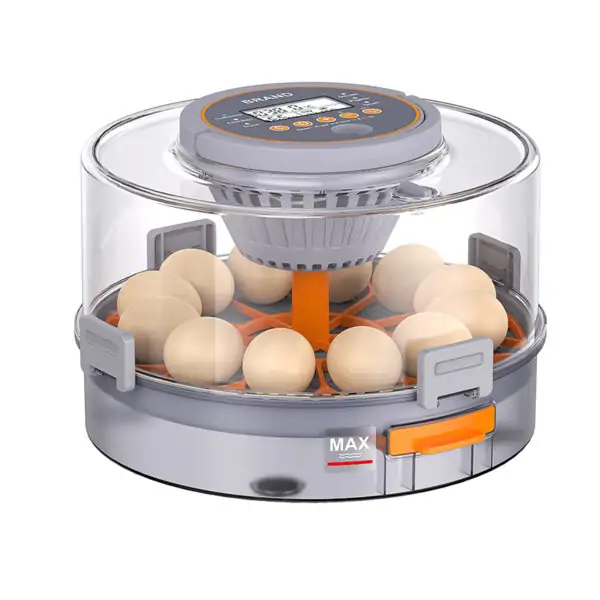
Now, let’s talk about the 2025 BEST Chicken Egg Incubator—a versatile, energy-efficient device built with both hobbyists and small-scale breeders in mind. It checks all the boxes we’ve discussed, making it a top choice whether you’re a first-timer or a seasoned hatcher.
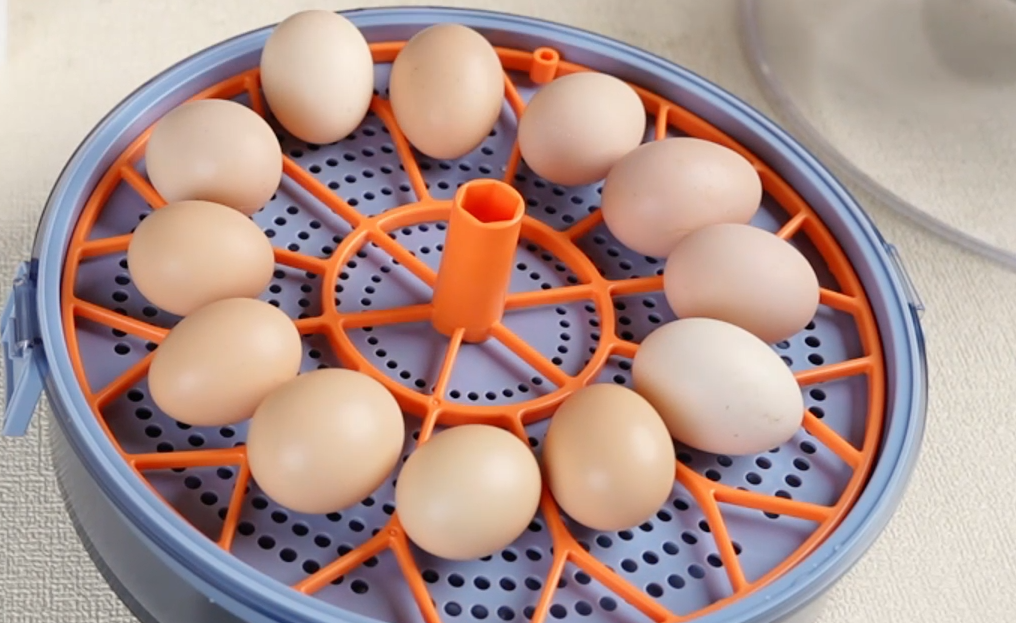
First off, its compact design is a winner: measuring just 295mm x 295mm x 198.4mm, it fits easily on any table or counter without taking up too much space. And while it’s small, it’s surprisingly tough—thanks to its PC+ABS construction, the shell resists scratches and wear, even with regular use. Weighing only 1,860g, it’s lightweight enough to move around if needed, yet sturdy enough to handle daily use.
One of its biggest strengths is multi-species compatibility. The adjustable egg trays mean it’s not just for chickens—you can hatch ducks (up to 12 eggs), geese (up to 6 eggs), or small birds (up to 24 eggs) too. This flexibility makes it perfect if you ever want to branch out beyond chickens.
When it comes to temperature control, precision is key—and this incubator delivers. Powered by a 12V 3A adapter with a 1.5m cable, it maintains steady heat distribution, keeping temperatures right where they need to be for optimal hatch rates. Even better, the low-voltage design works great in off-grid setups, so you can use it even if you’re not near a standard power outlet.
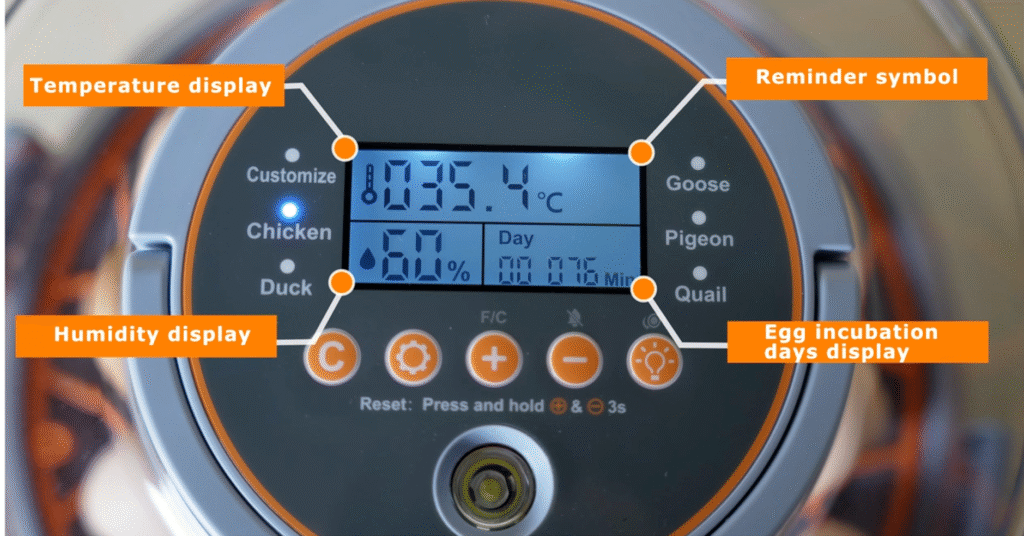
The user-friendly design shines in little details, too. The transparent lid lets you watch the hatching process without opening it (which would mess up humidity), so you won’t miss those first tiny cracks. Ergonomic vents on the sides keep airflow balanced, preventing moisture buildup while ensuring fresh air circulates—no more worrying about stuffy conditions.
And let’s not forget convenience: the removable parts make cleaning a breeze. After hatching, just take out the trays and wipe down the interior with soap and water—no scrubbing hard-to-reach corners. Plus, the auto egg turning feature gently flips eggs three times a day, so you don’t have to lift a finger. If anything goes off track with temperature or humidity, a loud alarm will let you know—even from another room.
Common Questions
Let’s tackle some questions you might have—we hear these a lot from people new to incubators.
Q: How long does it take for eggs to hatch?
A: About 21 days—give or take a day. The 2025 BEST Incubator has a little timer on the screen, so you can count down the days.
Q: Do I need to add water?
A: Yes, but just a little! There’s a small water tray at the bottom. You fill it up once a week, and the incubator uses that to keep the humidity right. It’s easy—no daily checking.
Q: Can I hatch other eggs, like duck or quail eggs?
A: This one is made for chicken eggs, but if you adjust the temperature and time (duck eggs take 28 days, for example), it might work. But we recommend sticking to chicken eggs for best results.
Q: Is it hard to set up?
A: Not at all! Take it out of the box, plug it in, add water to the tray, put the eggs in, set the temperature, and you’re done. It takes 5 minutes—even if you’re not “handy” with gadgets.
Q: What if the power goes out?
A: It doesn’t have a battery backup, so try to keep it near a power source you don’t turn off. If the power goes out for a short time (less than an hour), the eggs should be okay. For longer outages, wrap the incubator in a towel to keep heat in until power comes back.
Ready to Try Hatching Chicks?

Hatching chicks with an incubator is one of the most fun and rewarding things you can do—whether you’re a family with kids, a backyard chicken lover, or just curious about how life grows. The 2025 BEST Chicken Egg Incubator takes all the stress out of the process, so you can focus on the exciting part: watching those little chicks hatch and take their first steps.
You don’t need to be an expert—this incubator is made for people who want simplicity and success. So why not give it a try? Imagine waking up to the sound of tiny cheeps, knowing you helped those little lives start. It’s magic, and it’s easier than you think.
Check out the 2025 BEST Chicken Egg Incubator today—your backyard (and maybe your kids) will thank you!
